
The Last Paradise: Why Raja Ampat is the Ultimate Couple’s Adventure
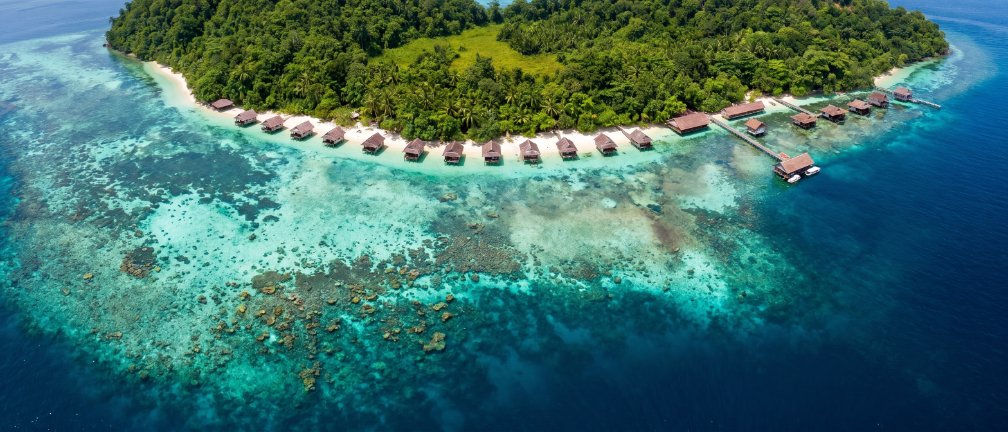
Deep in the Coral Triangle of Indonesia lies an archipelago of over 1,500 karst islands rising from the sea like emerald mushrooms. Raja Ampat—literally translating to ‘The Four Kings’—is the most biodiverse marine sanctuary on earth. For couples who crave wild, pristine nature but refuse to compromise on design and intimacy, Raja Ampat’s eco-resorts offer the ultimate romantic castaway experience. This is not the highly manicured tourist trap of Bali; this is raw, untamed earth at its most spectacular, wrapped in sustainable luxury.
Imagine waking up in a wooden bungalow suspended over a crystal-clear lagoon, listening to the gentle splash of reef sharks patrolling the house reef below. Raja Ampat is a destination where you can disconnect from digital noise and reconnect with each other, surrounded by neon-hued coral reefs, hidden blue lagoons, and dense jungle canopy.
Strategic Context: Timing & Getting There
The Best Time to Visit
Raja Ampat is a year-round destination, but the absolute best weather window is between October and April. During these months, the seas are calm, rainfall is minimal, and underwater visibility is at its peak (frequently exceeding 30 meters). The summer months of June to September bring strong winds and rough seas, particularly in the southern region around Misool, and many resorts close during this period for maintenance.
Navigating the Archipelago
Raja Ampat is vast, split between northern islands (Waigeo, Kri, Gam) and the remote southern region of Misool. The northern region is easier to access and ideal for world-class drift diving and island-hopping. Misool is further south, requiring a longer boat transfer, but offers a dramatic, labyrinthine landscape of limestone karsts and absolute private sanctuary.
Accommodations: Eco-Luxury Sanctuary Tiers
Raja Ampat’s top eco-resorts demonstrate that sustainability and high-end romance can coexist beautifully. These properties are built using local materials, run on solar power, and fund marine conservation efforts.
A private island resort located in a 1,220 square-kilometer Marine Protected Area. Built on the site of a former shark-finning camp, Misool is now a thriving sanctuary. The Water Cottages are built on stilts over a calm lagoon, featuring private steps leading directly down into the water and spacious hammocks built over the sea. The service is highly personalized, and the resort limits guest capacity to ensure absolute privacy. Expect to pay around $1,500 to $2,200 USD per night (generally booked in 7 to 9-night packages including transfers, meals, and dives).
Set on a lush, uninhabited island, Papua Paradise features comfortable overwater bungalows built in traditional Papuan style. Each bungalow has a large private veranda overlooking the house reef, where you can watch dugongs, sea turtles, and mandarin fish. It is quiet, relaxing, and perfect for couples seeking slow travel. Rates average $500 to $700 USD per night.
Culinary Experience: Tropical & Island-Fresh
Because these resorts are isolated, dining is fully inclusive and revolves around fresh seafood, organic local produce, and Indonesian spices. Coconut water, fresh mangoes, and grilled red snapper are daily staples.
At Misool Resort, you can arrange a private barbecue on the powdery sands of the North Beach. While your private chef grills fresh lobster and satay over coconut husks, you can sit at a table carved out of the sand, lit by lanterns, and toast to the stars reflecting off the glassy sea.
Bahia Dining
Most meals are served in open-air pavilions built over the water, cooled by ocean breezes. Enjoy traditional beef rendang, fresh sambal, and homemade sourdough while watching eagle rays glide beneath the floorboards.
Handpicked Couple Experiences
- Diving & Snorkeling the House Reefs (Anytime)
The marine life is so dense you don’t even need a boat. Step off your villa deck with a mask and snorkel to float alongside sea turtles, giant clams, and harmless blacktip reef sharks. For divers, drift diving through passages like ‘Cape Kri’ or ‘Melissa’s Garden’ offers the chance to see oceanic manta rays and walking sharks. Cost: Included in resort dive packages. - The Passage & Hidden Bay Excursion (6 Hours)
Take a private boat through ‘The Passage’—a narrow river-like canyon between Waigeo and Gam islands where sheer limestone cliffs meet dense jungle. You will navigate hidden turquoise lagoons, swim through sea caves, and hike up to a karst lookout for a breathtaking 360-degree view of the islands. Cost: Approx. $250 USD per couple. - Sunrise Bird of Paradise Trek (3 Hours)
Wake up before dawn to hike into the rainforest with a local guide. As the jungle wakes up, you will watch the rare Red Bird of Paradise perform its elaborate mating dance high in the canopy. It is a magical, sensory experience that feels straight out of a documentary. Cost: Approx. $50 USD per person.
The Photography Spot Guide
Hike the 320 wooden steps to the top of Pianemo hill. From the viewing platform, you can capture the classic Raja Ampat postcard shot: a cluster of green karst islets sitting in a sapphire lagoon. Optimal time: Mid-afternoon when the sun is high enough to illuminate the shallow reef details.
Capture a wide-angle shot from the villa bedroom looking out onto the private deck, showing your partner relaxing in the overwater hammock with their feet dangling over the turquoise water.
Near Pianemo, Telaga Bintang is a star-shaped lagoon framed by steep karst cliffs. Climbing to the rocky peak offers a romantic view of this unique geological formation.
Practicalities for Couples
Fly internationally to Jakarta (CGK) or Singapore (SIN), then take a domestic flight to Sorong (SOQ) in West Papua. From Sorong, you will take a ferry or a private resort speedboat (ranging from 2 to 4 hours) to your island resort.
Visitors must purchase a Raja Ampat Marine Park Entry Permit (approx. $70 USD per person), which supports local conservation.
Indonesian Rupiah (IDR) is required for local purchases, but resorts bill in USD or EUR. Credit cards are accepted at all major resorts.
7 to 10 nights. Due to the remote travel logistics, short stays are not recommended. You want at least a week to truly immerse yourself.