
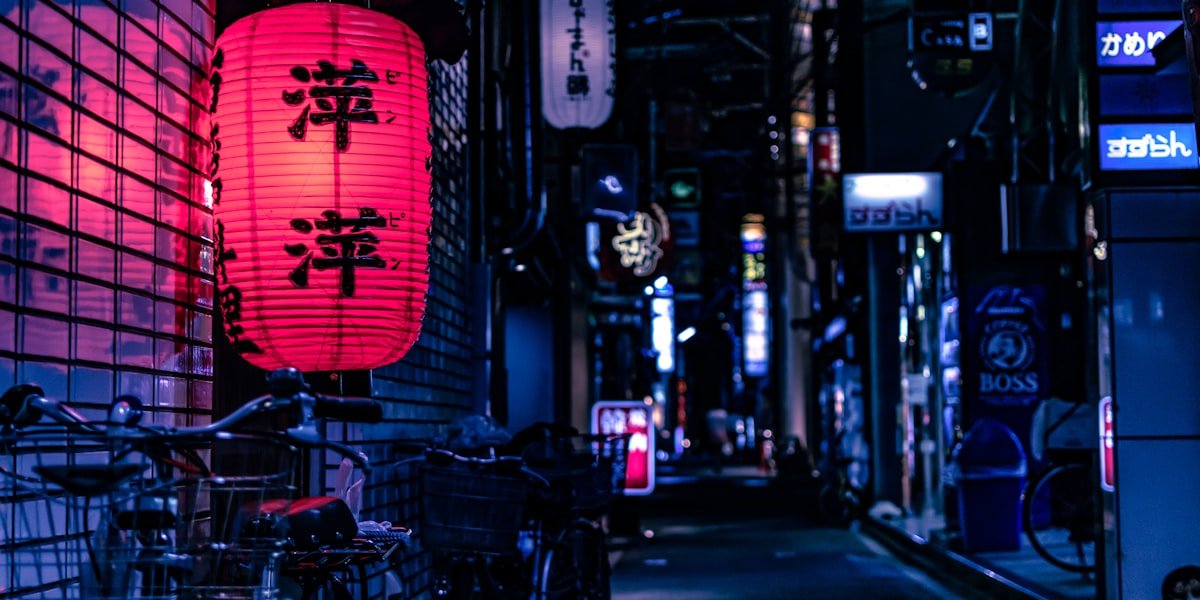
Japan’s Most Romantic Secret: Kanazawa Without the Crowds
While Kyoto dominates Japan’s romantic travel narrative, the coastal city of Kanazawa—tucked along the Sea of Japan on the Noto Peninsula—offers an almost identical cultural richness with a fraction of the tourist traffic. Often called ‘Little Kyoto’, Kanazawa is a city of extraordinary historical depth: geisha districts (known as chayagai), a world-class samurai estate area, an immaculate feudal-era garden, and some of Japan’s most refined traditional crafts, including Kaga-Yuzen silk dyeing and Kanazawa gold leaf.
For couples seeking a honeymoon steeped in authentic Japanese culture, intimate accommodation, and sensory-rich experiences, Kanazawa is a revelation. The city’s boutique machiya townhouse stays—converted Edo-period merchant houses—offer a level of privacy and immersion that no international hotel chain can replicate.
Strategic Context: Timing & Layout
The Best Time to Visit
Kanazawa is spectacular across seasons, but each offers a different romantic mood. Spring (late March to mid-April) brings cherry blossoms to Kenroku-en and Kanazawa Castle Park—one of Japan’s most photographed scenes. Autumn (mid-October to late November) delivers fiery maple foliage that blankets the samurai districts and garden pathways in gold and crimson. Winter is a hidden gem: Kanazawa receives heavy snowfall from the Sea of Japan, and the garden’s iconic ‘Yukitsuri’ (rope-suspended pine trees designed to catch snow) creates a hauntingly beautiful, otherworldly atmosphere.
The City’s Key Romantic Zones
The largest geisha district, lined with restored 19th-century teahouses. Stroll the narrow, latticed streets and look for traditional tea ceremony experiences.
One of Japan’s three ‘great gardens’, a 25-acre landscape masterpiece. Best at 6 AM before the crowds arrive.
A labyrinthine network of earthen-walled lanes and preserved samurai residences, perfect for unhurried hand-in-hand exploration.
Accommodation: Boutique Machiya Townhouses
Hakuchōrō Hotel Sanraku is a boutique ryokan (traditional Japanese inn) perched on a hill directly above Kenroku-en garden and Kanazawa Castle. The property offers private, tatami-matted rooms with low wooden furniture, shoji screen windows filtering soft light, and the option of in-room kaiseki (multi-course traditional cuisine) dinner service. Rates range from $300 to $600 USD per night per couple, with kaiseki dinner included.
The Romantic Sweet Spot: Machiya (Converted Townhouse) Rental
For the most intimate and authentic experience, Kanazawa’s local tourism body facilitates the rental of fully restored machiya townhouses. These 150–300 year-old merchant houses feature engawa (wooden veranda corridors), inner courtyard gardens, soaking bathtubs, and private tatami rooms. Agencies like Kanazawa Machiya Stay offer curated properties starting at $250 to $500 USD per night. Sleeping inside a historic Japanese home, just meters from the Higashi Chaya District, is an incomparable romantic experience.
Culinary Magic: Kanazawa at the Table
Omicho Market (Morning)
Start your mornings with a stroll through Omicho Ichiba, Japan’s largest fresh food market outside of Tokyo’s Tsukiji. Kanazawa faces the Sea of Japan and receives extraordinary seafood: giant spider crabs in winter, sweet kōbako (female snow crabs), and fresh yellowtail. Watch vendors prepare the day’s catch and pick up kaisen-don (seafood rice bowls) from the market’s upstairs restaurants for a memorable breakfast.
Kanazawa’s kaiseki cuisine is distinct from Kyoto’s—bolder, heartier, and deeply influenced by the Sea of Japan’s seasonal bounty. Kinjōrō is a celebrated multi-course kaiseki restaurant in Higashiyama that uses only local Kaga vegetables, Kanazawa seafood, and seasonal mountain forage. A full kaiseki dinner for two ranges from $150 to $250 USD.
Handpicked Couple Experiences
- Private Tea Ceremony in a Historic Teahouse (2 Hours)
Book a private, English-guided tea ceremony (chado) inside one of the authentic Higashi Chaya teahouses. Your host, dressed in kimono, will guide you through the meditative ritual of matcha preparation. The understated simplicity and complete silence make it a deeply connective experience for couples. Cost: Approx. $60 to $120 USD per couple. - Gold Leaf Experience (1.5 Hours)
Kanazawa produces 99% of Japan’s gold leaf. Book a workshop at the Kanazawa Yasue Gold Leaf Museum where you will apply 0.0001mm-thin gold leaf to a lacquer box under the guidance of a craftsperson. Cost: Approx. $40 USD per person. - Sunrise at Kenroku-en Garden (1 Hour)
Arrive at Kenroku-en when the gates open at 7 AM (6 AM in summer). Walk the garden in almost total solitude, crossing stone lantern bridges and pausing at the famous two-legged Kotoji lantern reflected in the mirror pond. In winter, the surreal Yukitsuri rope-formations create an almost supernatural atmosphere. Cost: ¥320 (approx. $2 USD) per person.
The Photography Spot Guide
The two-legged stone lantern reflected perfectly in the still garden pond is Kanazawa’s most iconic image. Arrive at dawn for a reflection with no ripple and no tourists. Optimal time: Sunrise.
The lattice-front teahouses framing a narrow cobblestone lane create the most atmospheric couple’s street photography in Japan. Use the disappearing-point perspective with your partner walking away from the camera.
In late March and early April, the castle’s white-plastered walls are framed by hundreds of weeping cherry trees in full bloom. Frame your partner beneath a drooping sakura branch with the castle in the background.
Practicalities for Couples
From Tokyo, take the Hokuriku Shinkansen (bullet train). The journey from Tokyo Station to Kanazawa is approximately 2.5 hours, offering scenic views of the Japanese Alps. Alternatively, fly into Komatsu Airport (KMQ), 30 minutes from the city center.
The Japan Rail Pass covers the Hokuriku Shinkansen, making it ideal for couples building Kanazawa into a wider Japan itinerary.
English signage is limited outside of major tourist sites. Download Google Translate with offline Japanese before you go.
3 to 4 nights gives you enough time to explore the main districts without rushing.